
Traumatic brain and spine injuries
Get expert care for traumatic brain and spinal injuries in Islamabad at Dr. Asim Shahzad’s Neurosurgery Clinic, offering advanced diagnosis, surgery, and compassionate rehabilitation.
What Are Traumatic Brain and Spine Injuries?
A traumatic brain injury (TBI) occurs when a sudden force — such as a blow, fall, or accident — damages the brain. Similarly, a spinal cord injury (SCI) occurs when the spinal cord or surrounding nerves are damaged, interrupting communication between the brain and the body.
These injuries range from mild (like concussions) to severe (involving bleeding, swelling, or nerve damage). Both require immediate medical attention to prevent permanent disability.
- Traumatic brain injury (TBI) can lead to temporary or permanent changes in thinking, behavior, movement, or sensation.
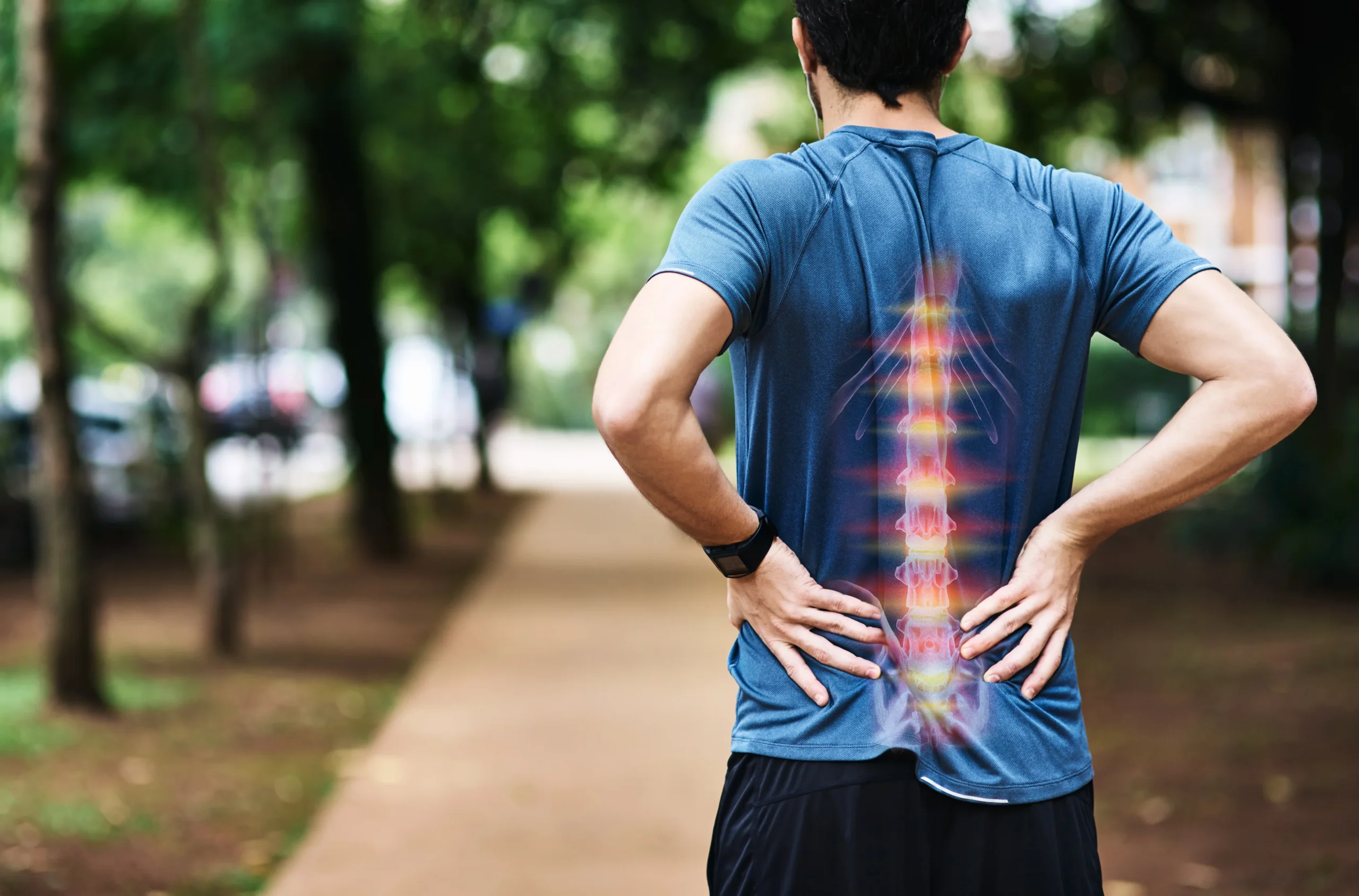
- Spinal injuries may cause weakness, paralysis, or loss of sensation below the level of injury.
Early intervention improves chances of recovery and reduces complications

Causes and Symptoms of TBI and Spinal Cord Injury
Common Brain Trauma Symptoms
- Mild to severe TBI may present as:
- Persistent headache, nausea, or vomiting
- Dizziness, confusion, or loss of balance
- Blurred vision, ringing in the ears, or sensitivity to light
- Memory loss or trouble concentrating
- Speech difficulties or mood swings
- Loss of consciousness (even briefly)
- In severe cases: seizures, coma, or clear fluid leaking from the nose/ears
Spinal Cord Injury Symptoms
- Depending on the level and severity of injury, symptoms may include:
- Weakness or paralysis in limbs
- Numbness, tingling, or loss of sensation
- Loss of bladder or bowel control
- Breathing difficulties (in cervical injuries)
- Spasticity or uncontrollable muscle tightening
- Pain or burning sensations along the spine
The most common causes include
- Road traffic accidents are a major cause of TBI and spine trauma in Pakistan.
- Falls, especially in older adults or in unsafe workplaces.
- Sports injuries and recreational accidents.
- Violence or penetrating trauma (e.g., gunshot or sharp object injury).
- Industrial or construction site accidents.
Advanced Treatment Options at Our Clinic
Treatment is customized based on the type and severity of injury
Emergency Stabilization
For severe cases, immediate care focuses on:
- Preventing further brain or spinal damage
- Stabilizing breathing, heart rate, and blood pressure
- Reducing brain swelling or spinal pressure
Surgical Interventions
When necessary, Dr. Asim Shahzad performs specialized procedures such as:
- Decompression surgery – Relieves pressure caused by swelling, bleeding, or bone fragments.
- Craniotomy – Removes clotted blood (hematoma) or repairs skull fractures.
- Spinal fixation and fusion – Stabilizes vertebrae with screws, rods, or plates.
- Removal of bone fragments or tumors pressing on the spinal cord.
Comprehensive Rehabilitation
Recovery doesn’t end with surgery — it begins there. Our clinic offers:
- Physiotherapy for strength and mobility
- Occupational therapy for daily independence
- Speech and cognitive therapy for communication or memory issues
- Psychological counseling to support emotional healing
Medical Management
For patients not requiring surgery, treatment may include:
- Medications to control swelling, pain, or seizures
- Anti-inflammatory drugs to minimize secondary brain or spinal injury
- Coma-inducing or neuroprotective medications (in severe TBI)
Recovery from Traumatic Brain Injury (TBI)
Recovery from Traumatic Brain Injury (TBI) depends on the severity of the injury, the area of the brain affected, and the speed of medical intervention. Recovery can range from a few days for mild concussions to months or years for severe TBIs. In the acute phase, patients are stabilized in the hospital or ICU, with efforts to reduce brain swelling, prevent further damage, and manage pain or seizures with medications. During early rehabilitation, therapists focus on restoring physical strength, balance, coordination, daily living skills, and cognitive functions such as memory, attention, and problem-solving. Long-term rehabilitation may include speech therapy for communication difficulties, psychological support for mood changes or anxiety, and a gradual return to work, school, or normal daily activities, all aimed at maximizing recovery and improving quality of life.
Why Choose Dr. Asim Shahzad for Traumatic Brain and Spine Injury Care?
Dr. Asim Shahzad brings years of expertise in managing traumatic brain and spine injuries, spinal cord injuries, and complex neurological trauma, combining advanced medical technology with a patient-focused approach. Our clinic offers cutting-edge imaging, surgical tools, and ICU facilities, providing precise diagnosis and effective treatment from emergency care to long-term rehabilitation, all in one place. Each patient receives personalized attention and follow-up, while our compassionate team supports families throughout the recovery journey. We also provide specialized care for related conditions, including Brain Tumor Treatment, Spinal Cord Injury Treatment, and Herniated Disc Treatment. Learn more about our neurological treatments and book your appointment today to start your path to expert care and recovery.
FAQS
Frequently asked questions
Yes, mild brain injuries may show headaches, memory issues, or mood changes days or weeks after the injury.
Recovery varies; mild cases may heal in days, while severe injuries can take months or years with therapy.
Yes, rest, proper nutrition, therapy, and avoiding alcohol or drugs support faster and better recovery.
Yes. Most mild TBIs (like concussions) recover with rest and medical supervision. However, persistent symptoms should always be evaluated by a neurosurgeon.
While severe SCIs may cause permanent damage, early intervention, advanced surgery, and rehabilitation can significantly improve outcomes and restore function.
Immediately, even minor injuries can cause hidden internal damage. Prompt diagnosis prevents complications.