
Sciatica & nerve compression
Get expert Sciatica and Nerve Compression Treatment in Islamabad at Dr. Asim Shahzad Consultant Neurosurgeon Clinic. Restore comfort and mobility.
What is Sciatica and Nerve Compression?
Nerve compression, also called nerve compression syndrome, occurs when surrounding structures like herniated discs, bone spurs, or tight muscles put pressure on the nerves.
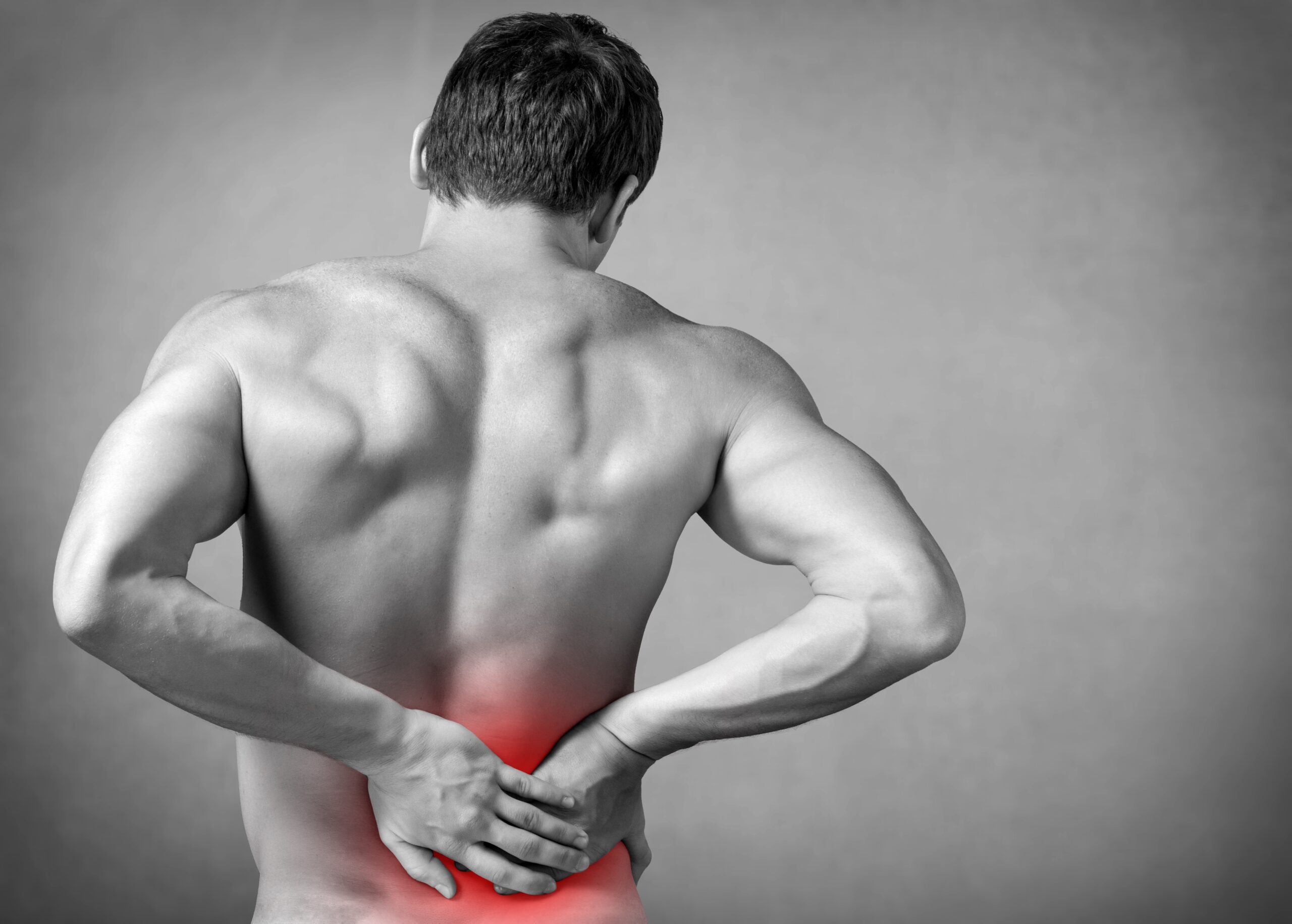
If you’re struggling with persistent lower back pain that radiates down your leg, tingling, numbness, or weakness, you might be experiencing sciatica, a common sign of nerve compression in the spine. Sciatica occurs when the sciatic nerve, the largest nerve in the body, is irritated or compressed, often due to conditions like spinal stenosis or degenerative spine changes. Left untreated, this can affect your daily activities, mobility, and overall quality of life.

Symptoms of Sciatica and Nerve Compression
How Is Sciatica Diagnosed?
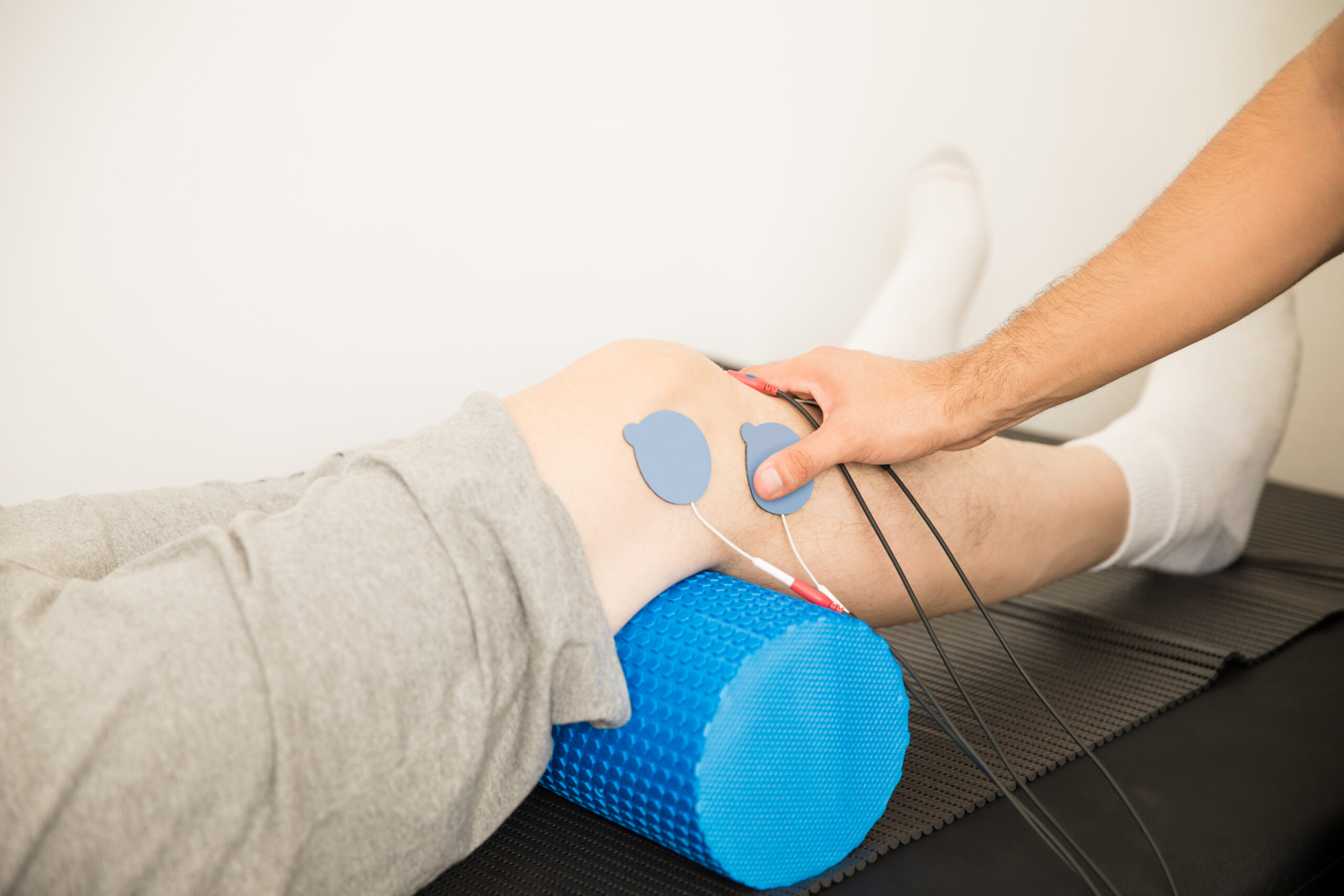
At our clinic, Dr. Asim Shahzad, Consultant Neurosurgeon in Islamabad, uses advanced diagnostic methods to determine the exact cause of sciatica and nerve compression. The process typically begins with a thorough physical and neurological examination to assess nerve function, muscle strength, reflexes, and mobility. Imaging tests, such as MRI or CT scans, are performed to identify structural issues like herniated discs, spinal stenosis, or bone spurs that may be compressing the nerves. In certain cases, nerve conduction studies are conducted to evaluate the health and function of affected nerves. With his extensive experience in nerve compression treatment, Dr. Asim Shahzad ensures that every patient receives an accurate diagnosis and a personalized treatment plan aimed at relieving pain, restoring mobility, and improving overall quality of life.

Treatment Options for Sciatica and Nerve Compression
Non-Surgical Treatments
- Medications to relieve pain, inflammation, and nerve irritation
- Physical therapy focused on posture correction, strengthening, and flexibility
- Targeted sciatica stretches to reduce pressure on the sciatic nerve
- Lifestyle modifications, including ergonomics and weight management
- Spinal injections for temporary pain relief and inflammation control
- These conservative therapies often lead to significant improvement without the need for surgery.
Surgical Treatments
- Microdiscectomy — removing a small portion of the herniated disc pressing on the nerve
- Laminectomy — removing part of the vertebra to relieve spinal canal pressure
- Nerve decompression surgery — restoring normal nerve function by freeing compressed nerve roots
Why Choose Us for Sciatica and Nerve Compression Treatment?
When it comes to Sciatica Treatment in Islamabad, selecting the right specialist is crucial. We at our clinic are known for our compassionate, patient-centered approach and extensive expertise in managing spinal and nerve-related conditions. With decades of experience in treating spinal and nerve compression disorders, we combine advanced diagnostic imaging and state-of-the-art surgical technology to ensure accurate diagnosis and effective treatment. Patients at our clinic receive comprehensive care that spans from initial evaluation and treatment to post-treatment rehabilitation, with a strong emphasis on patient education and comfort. Trusted by patients across Islamabad for safe and successful outcomes, we at our clinic also provide expert care for related conditions, including Spinal Cord and Vertebral Issues, Herniated Disc Treatment, Spinal Surgery, and Brain Injury Treatment. Learn more about our services and book your consultation today to take the first step toward lasting relief.
FAQS
Frequently asked questions
Sciatica usually affects one leg, but in rare cases, it can cause pain, numbness, or weakness in both legs.
Recovery depends on the severity and treatment type, but many patients experience noticeable relief within a few weeks with proper care.
Maintaining good posture, staying active, and strengthening core muscles can help reduce the risk of sciatica and nerve compression.
Yes, in many cases, sciatica improves with non-surgical treatments such as rest, stretching, medication, and physiotherapy. However, persistent or worsening symptoms may require surgical evaluation.
Gentle sciatica stretches, such as knee-to-chest stretches and piriformis stretches, can help relieve pressure on the sciatic nerve. Consult a health expert before beginning any new workout routine.
If your pain lasts longer than a week, becomes severe, or causes numbness or weakness in your legs, it’s time to see a neurosurgeon. Sudden loss of bladder or bowel control requires immediate medical attention.