
Endoscopic brain and spine procedures
Discover minimally invasive endoscopic brain and spine procedures with Dr. Asim Shahzad, consultant neurosurgeon. Expert care for brain & spine.
What Are Endoscopic Brain and Spine Procedures?

Who Can Benefit from Endoscopic Brain and Spine Surgery?
- Brain tumors (e.g., meningiomas, pituitary tumors, and schwannomas)
- Blood clots in the brain, causing stroke or other neurological issues
- Hydrocephalus, requiring brain shunt surgery in adults
- Spinal conditions such as herniated discs, spinal stenosis, or degenerative disc disease
- Traumatic brain injuries needing minimally invasive intervention
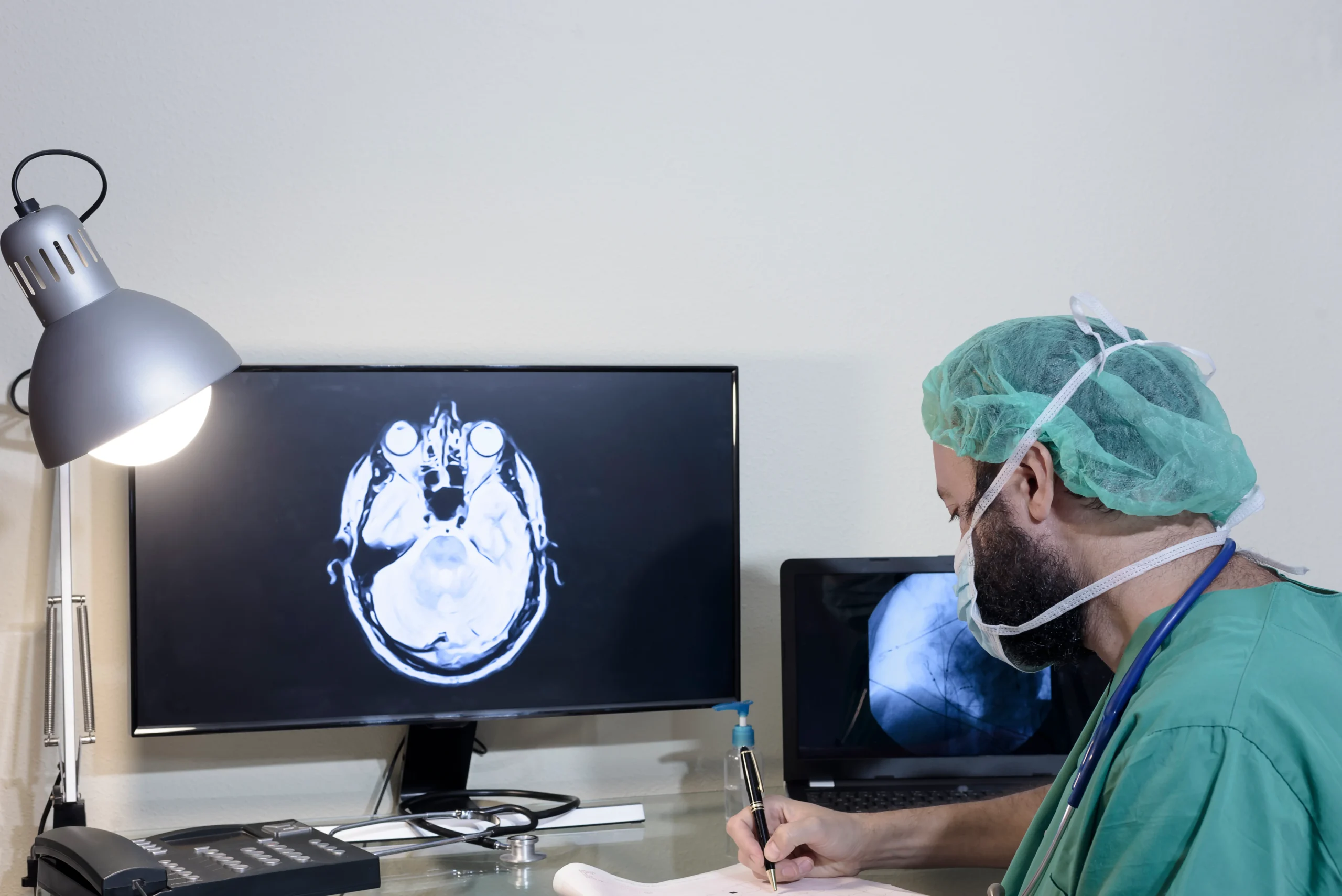
Conditions Treated with Endoscopic Surgery
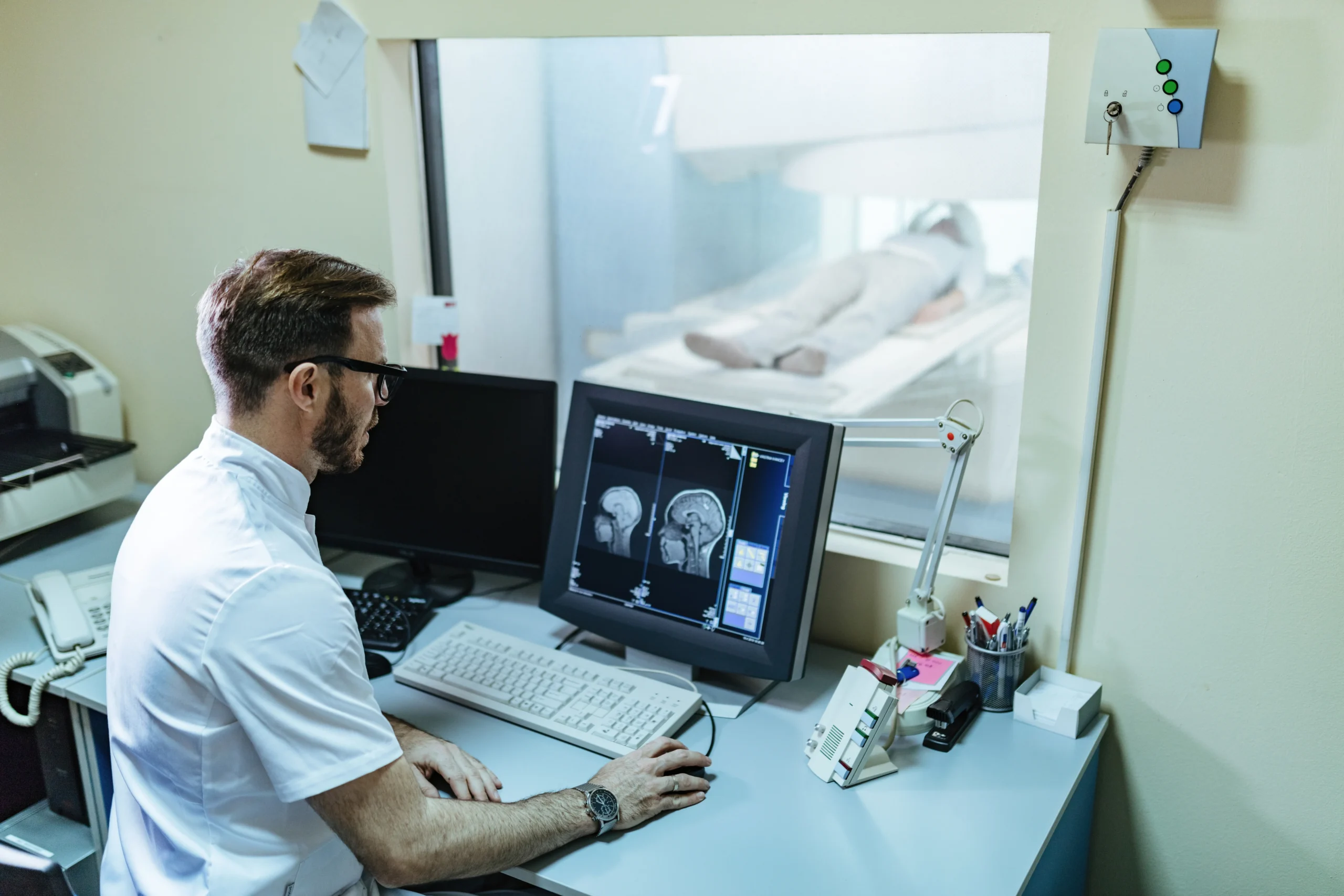
Recovery after endoscopic brain and spine surgery
Recovery after endoscopic brain and spine surgery involves following all post-surgery instructions, including applying cold packs or adhering to nasal care protocols if a nasal endoscopy was performed. Patients are encouraged to participate in recommended physical therapy for spinal procedures, take prescribed medications, and gradually resume regular activities to support healing. While endoscopic surgery is minimally invasive, possible risks include infection or bleeding, temporary or permanent nerve damage, blood clots or cerebrospinal fluid leaks, and the potential for incomplete symptom relief requiring further intervention. Despite these risks, endoscopic procedures generally have lower complication rates than traditional open surgery, allowing for safer treatment and faster recovery.
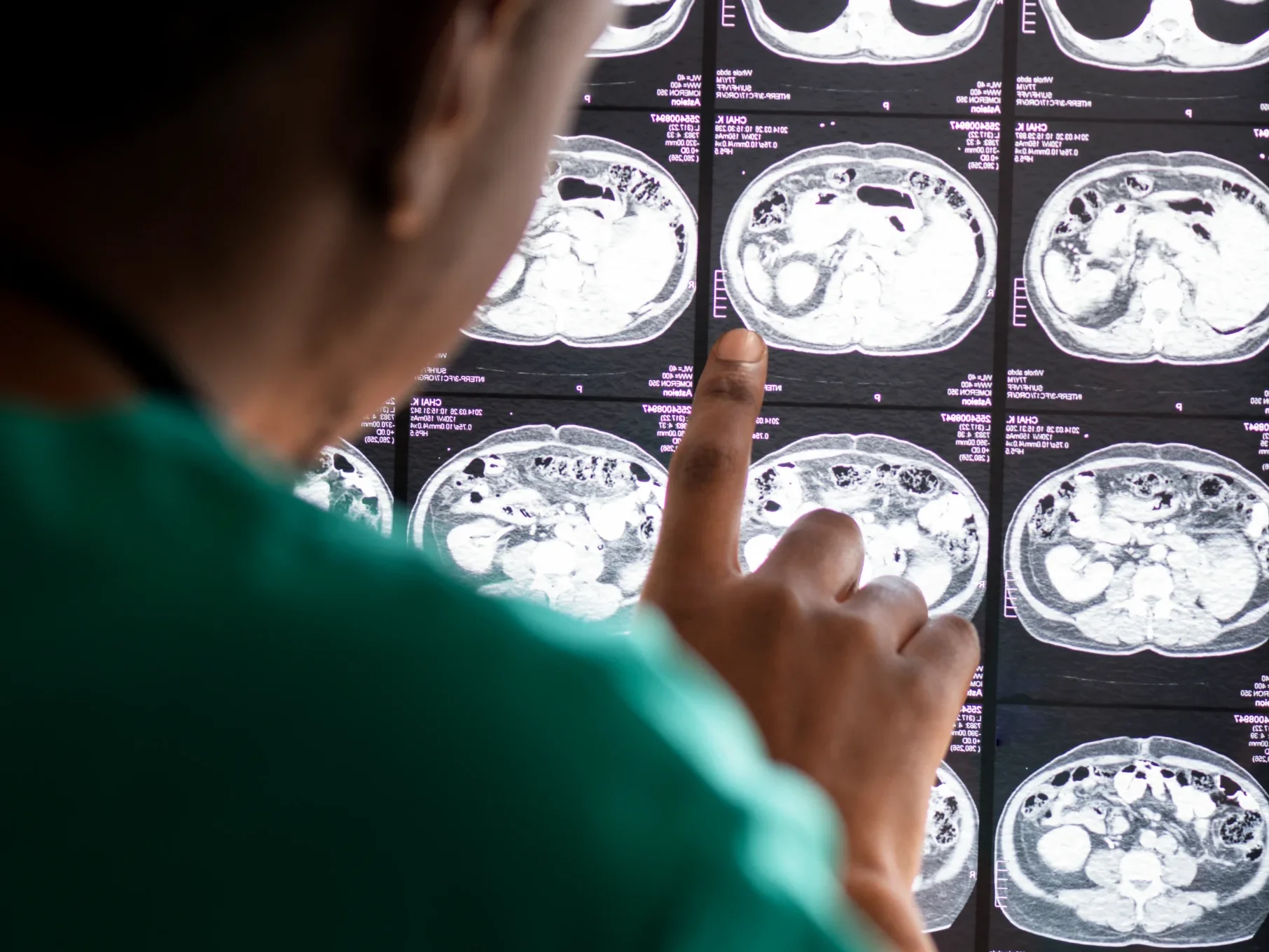
Benefits of Endoscopic vs. Traditional Surgery
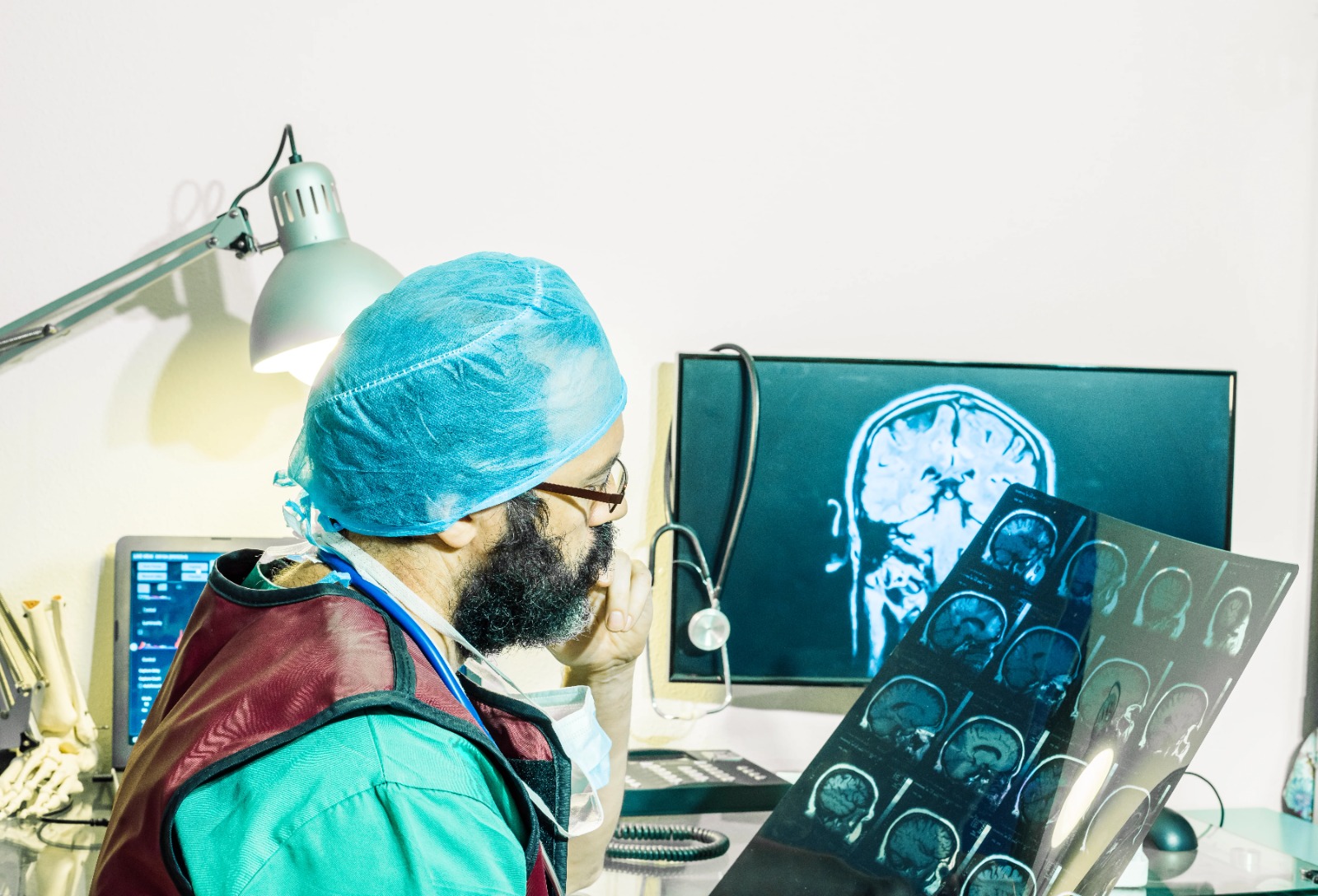
Why Choose Dr. Asim Shahzad for Endoscopic Brain and Spine Surgery?

FAQS
Frequently asked questions
Yes, endoscopic techniques can be adapted for adults of various ages, but suitability depends on the condition and overall health.
Recovery varies depending on the procedure. Many patients resume light activity within days and normal routines within weeks.
Side effects may include temporary neurological changes, bleeding, infection, or swelling. Dr. Shahzad provides thorough monitoring to minimize risks.
Endoscopic spinal surgery uses small incisions and specialized instruments, leading to less tissue damage, faster recovery, and reduced pain.
No, Endoscopic procedures use very small incisions, resulting in minimal scarring and a better cosmetic outcome.