
Brain Injuries & Brain Concussion
Brain injury treatment in Islamabad. Dr. Asim Shahzad treats traumatic brain injury, concussion, head trauma & neurological disorders.
Brain Concussion
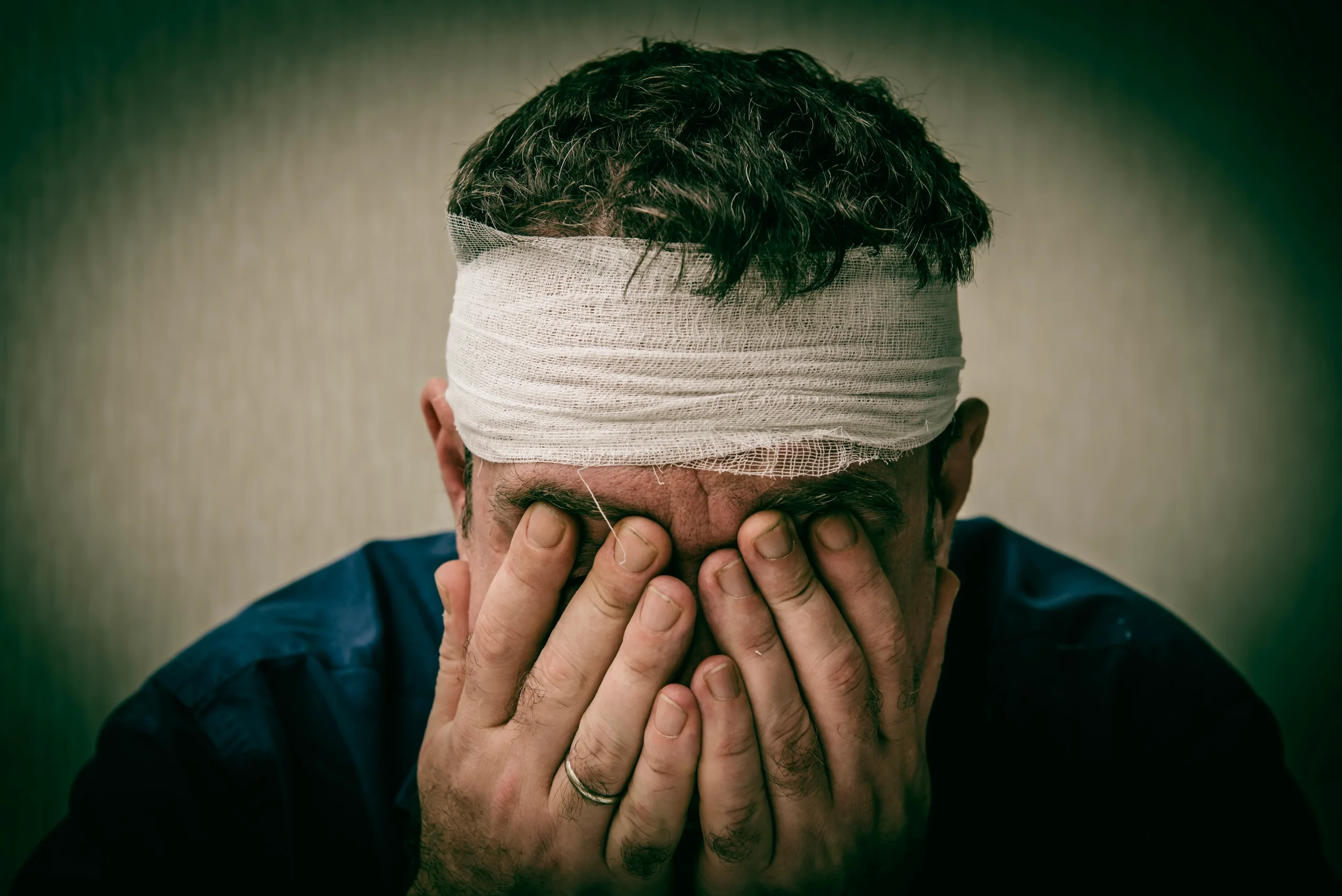
A brain concussion, also known as a cerebral concussion, is a mild traumatic brain injury that temporarily affects normal brain function. It often occurs after a blow to the head, neck, or upper body, causing the brain to move rapidly within the skull. This sudden movement can lead to chemical changes and sometimes stretch or damage brain cells. Common causes include road accidents, falls, sports injuries, and physical assaults. At our clinic in Islamabad, we specialize in diagnosing and managing concussions through advanced imaging, careful observation, and personalized recovery plans to ensure optimal neurological health.
Treatment for Brain Concussion
Most concussions heal with rest and gradual recovery, but medical supervision is essential.
Our treatment approach includes:
- Physical and cognitive rest to allow brain healing.
- Medication for headache, dizziness, or nausea management.
- Monitoring for complications such as post-concussion syndrome.
- Rehabilitation therapies, including physical and occupational therapy, are provided if symptoms persist.
We ensure a step-by-step recovery plan that safely guides patients back to normal activity and work.

Brain Injury and Its Causes
A brain injury can drastically affect a person’s life, impacting memory, movement, speech, and overall cognitive function. At our clinic in Islamabad, Dr. Asim Shahzad specializes in diagnosing and treating all types of brain injuries, providing both surgical and non-surgical care tailored to each patient’s needs.
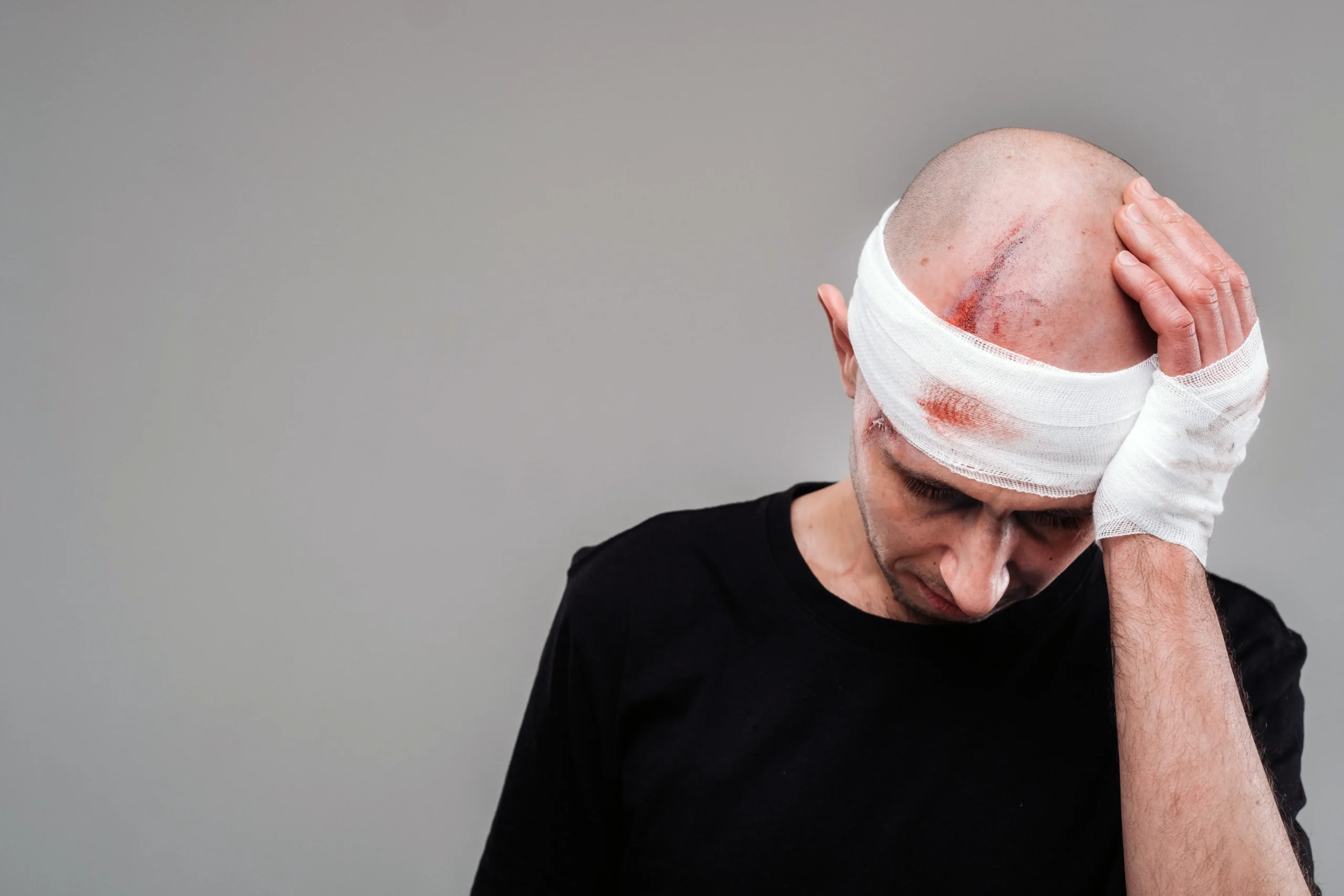
Brain injuries often occur due to road traffic accidents, which can cause concussions, skull fractures, or internal bleeding. Falls, especially in children and the elderly, can lead to serious head trauma even from minor slips. Sports-related accidents and contact injuries may result in concussions or more severe brain damage. Physical assaults or blunt trauma can also cause traumatic brain injuries requiring urgent care.
Medical emergencies like strokes or oxygen deprivation can impair brain function and require immediate treatment.
Types of Brain Injury
Brain injuries are generally categorized into mild, moderate, and severe, each with unique symptoms and treatment requirements:
Mild Brain Injury
- Often referred to as a concussion.
- Symptoms may include headaches, dizziness, mild confusion, nausea, or temporary memory loss.
- Patients may not require surgery, but need careful monitoring and rest.
Moderate Brain Injury
- More significant trauma to the brain, causing prolonged confusion or disorientation
- May involve head trauma, coup injuries, or localized brain lesions
- Medical intervention may include medications to reduce brain swelling or prevent seizures.
Severe Brain Injury
- Can result in unconsciousness, hypoxic or anoxic brain injury, or long-term neurological impairment
- Often requires emergency neurosurgery to relieve pressure, remove hematomas, or repair skull fractures.
- Comprehensive post-injury care and rehabilitation are critical for recovery.
Common Causes of Brain Injuries
Brain injuries in Islamabad patients often result from:
- Road traffic accidents and vehicle collisions
- Falls, especially in children and elderly patients
- Sports-related accidents
- Physical assaults or blunt trauma
- Medical emergencies such as strokes or oxygen deprivation

Recognizing Head Injury Symptoms
Recognizing the warning signs of a brain injury is essential, as symptoms can vary depending on the severity. Mild brain injuries may present with headaches, dizziness, mild confusion or disorientation, ringing in the ears, or nausea and vomiting. In contrast, severe brain injuries can lead to loss of consciousness, seizures, persistent or worsening headaches, memory problems, difficulty concentrating, mood or personality changes, and even clear fluid draining from the nose or ears. Any of these severe symptoms requires immediate medical attention, as prompt treatment can prevent further complications and improve recovery outcomes.
Brain Injury Treatment Options
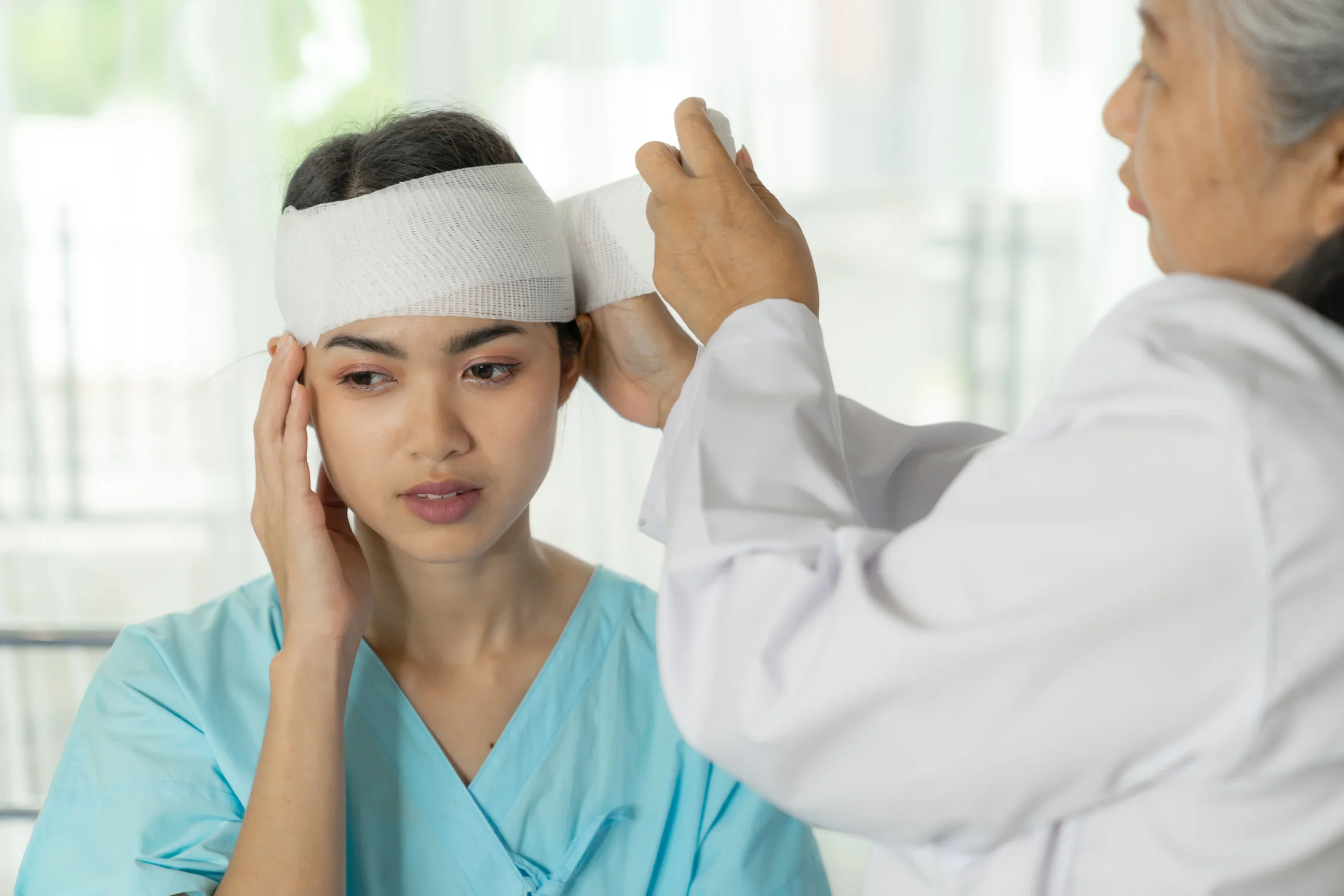
The treatment for brain injuries depends on the type and severity of the trauma, and it often involves a combination of medical, surgical, and rehabilitative approaches.
Medication Management
For many patients, medications play a crucial role in managing brain injuries. Anti-seizure medications are often prescribed to prevent post-traumatic seizures, while diuretics can help reduce brain swelling. Additionally, pain management and supportive care are provided to ensure patient comfort and stabilize neurological function during the initial recovery phase.
Surgical Intervention
Surgical procedures may be required for advanced or complex cases. This can include the removal of hematomas or blood clots, repair or reconstruction of skull fractures, and procedures to relieve intracranial pressure. Timely surgical intervention can prevent further brain damage and improve the chances of recovery.
Rehabilitation and Post-Injury Care
Why Choose Dr. Asim Shahzad for Brain Injury and Spine Care in Islamabad?

FAQS
Frequently asked questions
Recovery varies by injury severity. Mild injuries may resolve within weeks, while moderate or severe injuries may require months of rehabilitation.
Severe traumatic brain injuries may result in long-term neurological or cognitive impairments, but early intervention and rehabilitation significantly improve outcomes.
Not all head injuries require surgery. Many mild and moderate injuries can be treated with medication and rehabilitation, while severe cases may need surgical intervention.
Post-injury care includes monitoring, medications, physical therapy, cognitive rehabilitation, and lifestyle modifications to support recovery
Use protective gear during sports, drive safely, prevent falls at home, and seek prompt medical attention for any head trauma
A concussion is a mild form of traumatic brain injury (TBI) that temporarily affects brain function. It usually does not cause structural damage, but it still requires medical evaluation and rest.
Most people recover within 2 to 4 weeks, but some may experience lingering symptoms known as post-concussion syndrome that require longer follow-up and rehabilitation.
Not all concussions need imaging. However, if symptoms such as vomiting, loss of consciousness, confusion, or severe headache occur, a CT scan or MRI is essential to rule out bleeding.