
Brain tumors & Brain hemorrhage
Overview of Brain Tumors
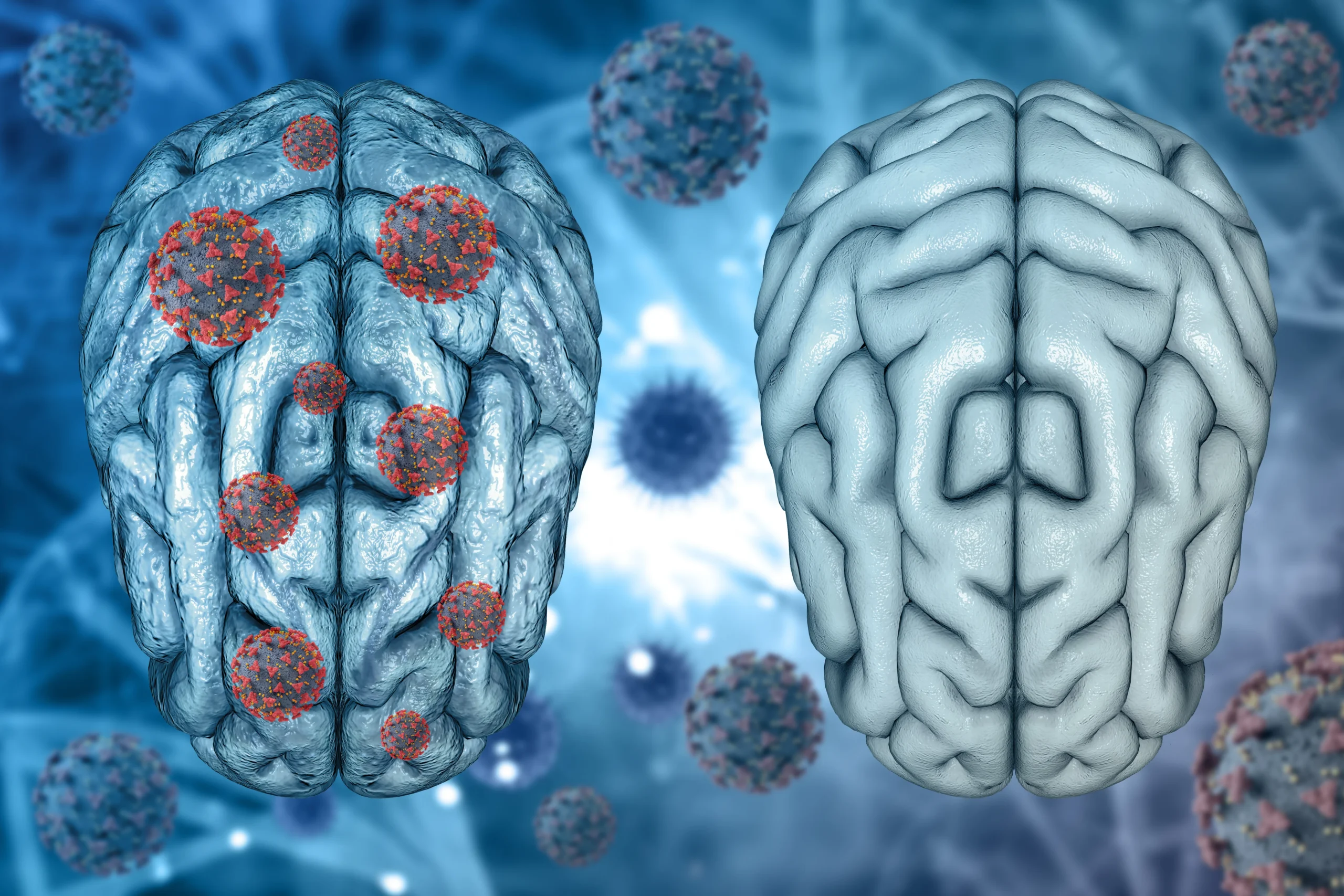
A brain tumor is an abnormal growth of cells within the brain or its surrounding tissues that can interfere with normal brain function. These tumors may be benign (noncancerous) or malignant (cancerous), with growth rates ranging from slow to aggressive. Brain tumors are generally classified as primary, originating within the brain, or secondary (metastatic), spreading from cancers elsewhere in the body. The World Health Organization (WHO) grades tumors from 1 to 4, where Grade 1 tumors are slow-growing and less aggressive, while Grade 4 tumors grow rapidly and are more complex to treat. Early detection and timely treatment are essential for preserving brain function and maintaining overall quality of life.
Types of Brain Tumors
Different types of brain tumors require specific approaches. Some of the common types treated at Dr. Asim Shahzad’s clinic include:
Gliomas
Meningiomas
Medulloblastomas
Pituitary Tumors
Mostly benign, located in the pituitary gland; may affect hormone production.
Pineal Tumors
Located in the pineal gland, affecting sleep and hormonal balance.
Symptoms and Warning Signs
Brain Tumor Treatment Options
Treatment depends on multiple factors, including tumor type, size, location, and the patient’s overall health. At our clinic, patients receive comprehensive care combining multiple therapies:
Surgical Intervention
Surgery is often the first step for accessible brain tumors:
- Craniotomy: Removal of the tumor through an opening in the skull.
- Minimally Invasive Surgery: Endoscopic or keyhole techniques reduce recovery time and minimize risks.
Radiation Therapy
Targeted radiation destroys tumor cells and is used when surgery isn’t an option or post-operatively:
- External Beam Radiation: Directs high-energy rays to the tumor.
- Stereotactic Radiosurgery (Gamma Knife): Non-invasive, highly focused radiation.
Targeted Therapy & Immunotherapy
- Targeted Therapy: Focuses on specific tumor cell features to minimize damage to healthy cells.
- Immunotherapy: Stimulates the body’s immune system to fight tumor cells
Chemotherapy
Drugs that kill or slow the growth of tumor cells, administered orally or intravenously. Often integrated with surgical or radiotherapeutics approaches to achieve maximal clinical benefit.
Symptom Management
Some treatments focus on reducing pressure and improving quality of life:
- Shunts: Drain excess cerebrospinal fluid caused by tumor growth.
- Medications: Mannitol or corticosteroids to reduce swelling.
- Palliative Care: Provides comfort, support, and symptom relief for patients with advanced tumors.
Recovery and Prognosis
Why Choose Dr. Asim Shahzad for Brain Tumor Treatment in Islamabad?

FAQS
Frequently asked questions
Benign tumors are noncancerous and often grow slowly, while malignant tumors are cancerous and may grow rapidly, affecting brain function.
There is no guaranteed prevention, but reducing exposure to environmental hazards and monitoring family history may help.
Recovery depends on tumor type, size, and location. Minimally invasive procedures often allow faster recovery, while larger surgeries may require extended rehabilitation.
Dr. Shahzad works to preserve brain function. Many patients resume normal activities after recovery, sometimes with additional therapy.
Follow-ups are typically scheduled every 3–6 months initially, then adjusted based on tumor type, treatment, and recovery progress.