
Herniated or slipped disc
What Is a Herniated Disc?
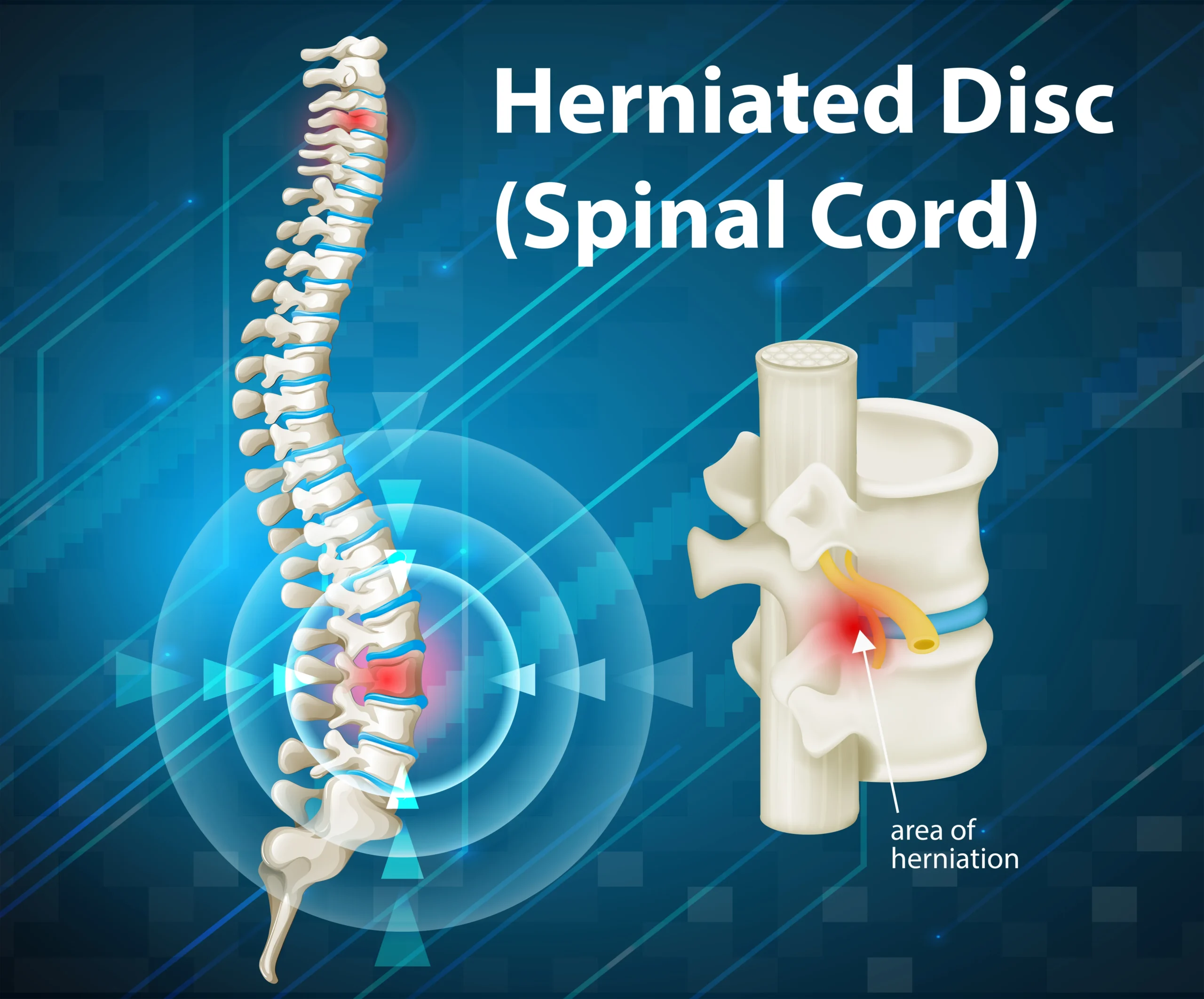
A herniated disc occurs when the soft, jelly-like centre of an intervertebral disc, called the nucleus pulposus, pushes through its tough outer layer, the annulus fibrosus. This displacement can compress nearby spinal nerves, leading to symptoms such as pain, numbness, or weakness. Herniations can develop in any part of the spine but are most commonly seen in the lumbar spine (lower back), which may cause sciatica or radiating leg pain, and in the cervical spine (neck), which can result in neck pain, shoulder discomfort, or numbness in the arms. This condition is also referred to by other terms such as disc protrusion, diffuse disc bulge, or cervical disc herniation, all describing variations of the same underlying spinal issue.
Herniated Disc Symptoms
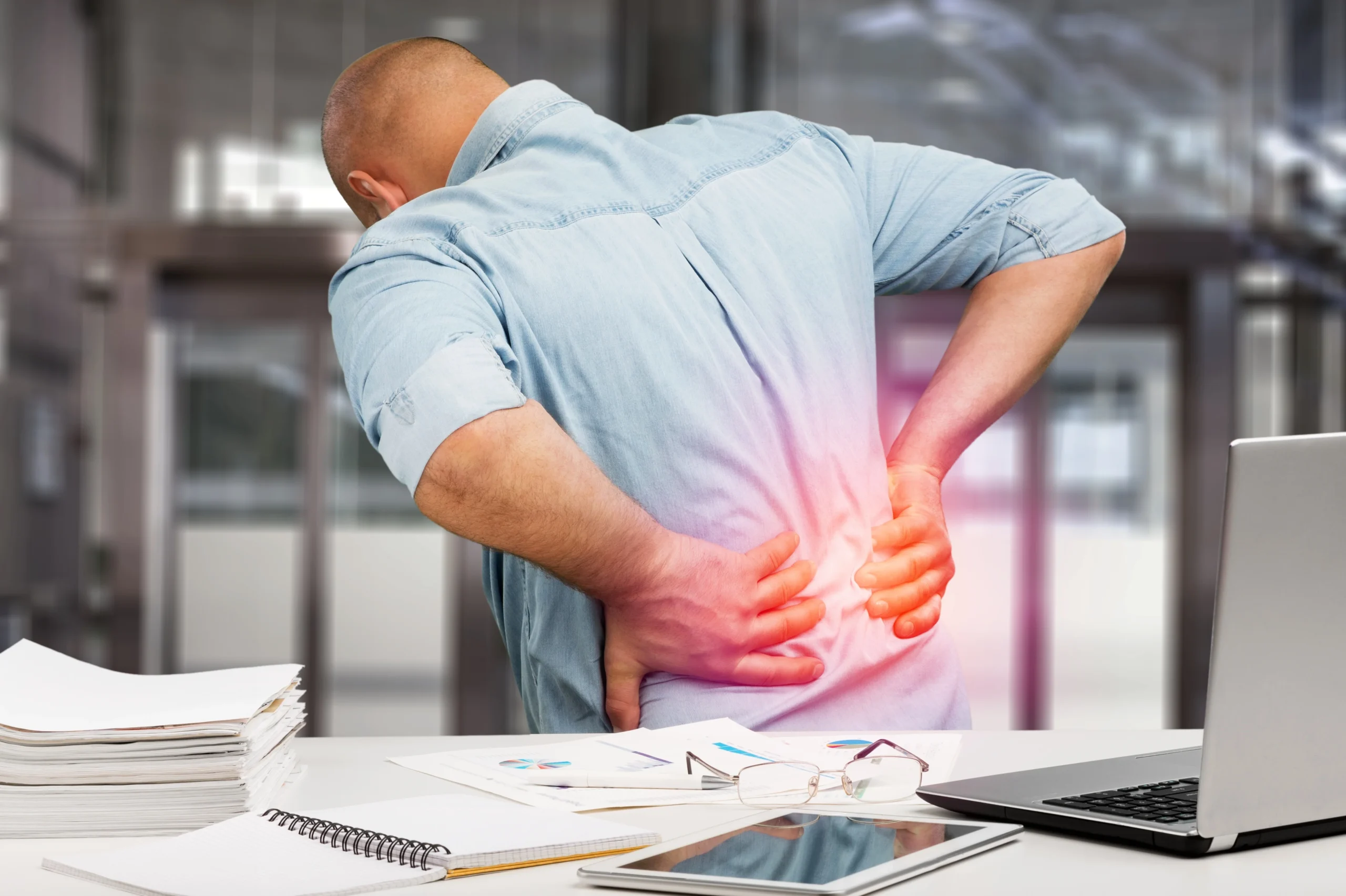
Detecting the symptoms of a herniated disc is crucial for timely treatment, as they can vary depending on the location and severity of the herniation. Common signs include lower back or neck pain that may radiate to the legs or arms, numbness or tingling in the extremities, and muscle weakness or difficulty lifting objects. Pain often worsens with sitting, bending, or coughing, and in severe cases, there may be a loss of bladder or bowel control, which requires urgent medical attention. Early detection of these symptoms is essential, and if you experience progressive weakness or sudden loss of function, you should contact our Islamabad clinic immediately for expert evaluation and care.
Causes a Herniated Disc
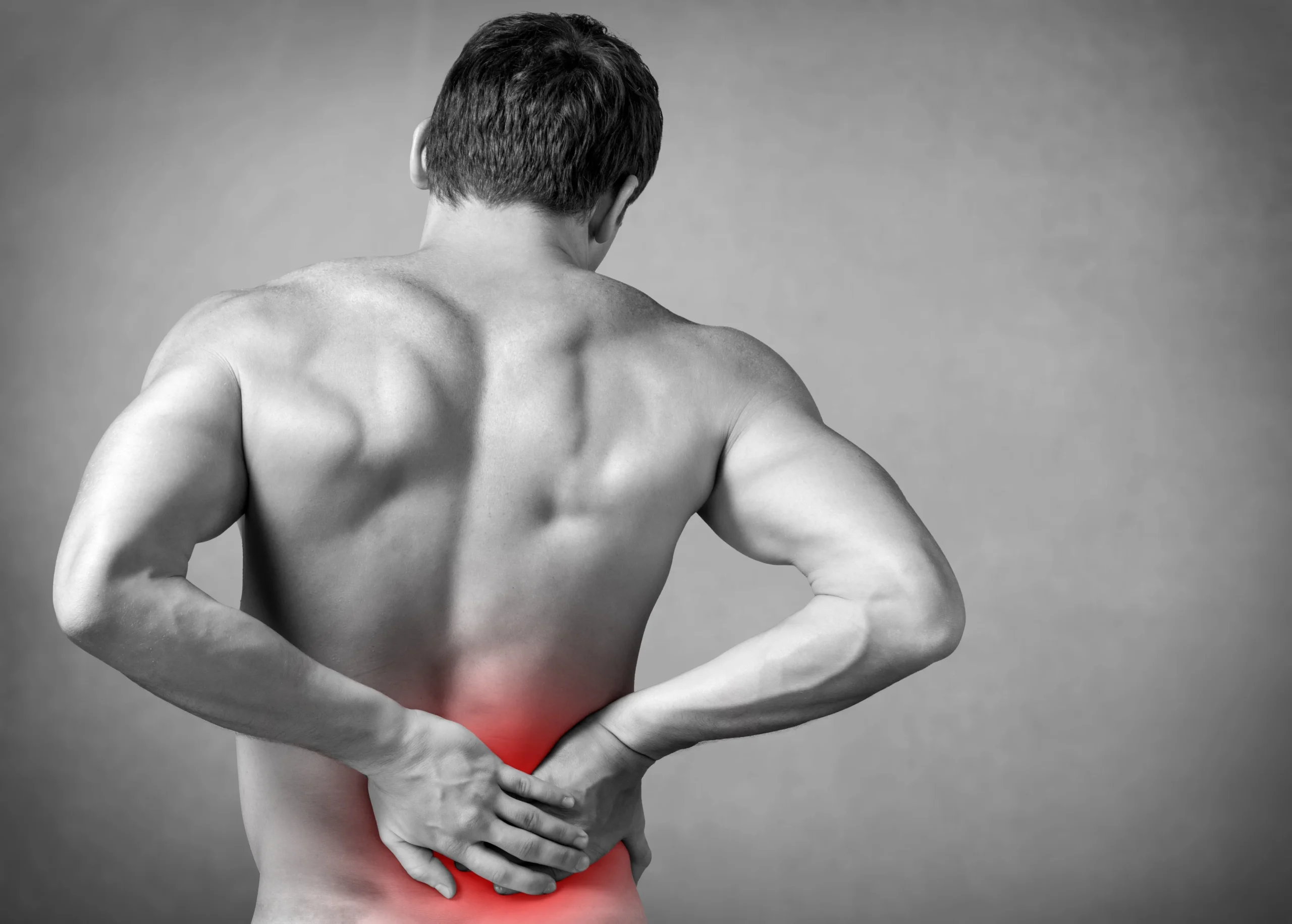
Causes of a herniated disc are essential for both prevention and effective treatment. One of the most common factors is age-related degeneration, as intervertebral discs naturally lose water content and flexibility over time, making them more prone to injury. Sudden injuries or trauma, such as lifting heavy objects incorrectly, twisting awkwardly, or experiencing a fall, can also trigger a disc herniation. Additionally, repetitive strain from certain occupations or sports that involve frequent bending, twisting, or heavy lifting places continuous stress on the spine, increasing the risk of disc problems. Some individuals may have a genetic predisposition, meaning a family history of spinal disorders can make them more susceptible. Lifestyle factors also play a significant role; being overweight, leading a sedentary lifestyle, or smoking can accelerate disc degeneration and weaken spinal structures, further increasing the likelihood of a herniated disc. Recognizing these contributing factors can help guide preventive measures and early interventions.
How Is a Herniated Disc Diagnosed?
At Dr Asim Shahzad’s Clinic, we follow a thorough, patient-centered diagnostic approach
Medical History & Physical Exam:
Imaging Studies:
- MRI: Most accurate for detecting herniation and nerve compression.
- CT scan: Useful when MRI is not feasible.
- X-rays: Show spine alignment, but cannot visualize soft tissue.
Electromyography (EMG) & Nerve Conduction Studies:
Evaluates nerve function and damage from compression.
These investigations help us identify whether you have a herniated disc, bulging disc, diffuse disc bulge, or disc protrusion, and guide the best treatment plan.
Non-Surgical Herniated Disc Treatment Options
Most herniated discs do not require surgery. Our team begins with conservative care:
Activity modification
Short periods of rest followed by gentle movement
Medications
Anti-inflammatory drugs, pain relievers, or muscle relaxants
Epidural steroid injections
Physical Therapy
Surgical Treatment for Herniated Discs
When conservative care is insufficient or if there are progressive neurological deficits, surgery may be recommended. Surgical options include:
Micro discectomy
- Minimally invasive removal of the herniated disc fragment
- Provides relief from leg or arm pain caused by nerve compression
Endoscopic Discectomy
Artificial Disc Replacement
- Replaces a severely degenerated disc, primarily in the lumbar spine
- Ideal for patients with single-level disc degeneration who haven’t improved with non-surgical care
Why Choose Dr. Asim Shahzad for Herniated Disc Treatment?
Choosing Dr Asim Shahzad for herniated disc treatment ensures you receive skilled, personalized and thorough care. With years of experience in treating herniated, bulging, and slipped discs, Dr Shahzad provides personalized guidance throughout every stage of treatment—from accurate diagnosis and non-surgical management to advanced surgical interventions when necessary. Our clinic in Islamabad is equipped with modern imaging and surgical technology, ensuring the highest standard of care. Dr Shahzad’s patient-centered approach prioritizes patients and their families, offering reassurance and support throughout the recovery process. We also provide care for related conditions such as Brain Injury Treatment, Hydrocephalus Surgery, and Spinal tumour treatment. Take the first step toward relief—schedule your consultation with Dr Asim Shahzad today
FAQS
Frequently asked questions
Non-surgical recovery may take a few weeks to months, while post-surgery recovery typically ranges from 4–12 weeks, depending on the procedure and patient health.
Many herniated discs improve naturally with conservative care, as the body gradually reabsorbs the displaced disc material.
Risks include infection, bleeding, nerve injury, or recurrent herniation. Your surgeon will discuss these and tailor the approach to your needs.
Maintain a healthy weight, practice safe lifting techniques, exercise regularly, and avoid prolonged sitting.
Yes, Compression of cervical nerves may lead to pain, tingling, or weakness in the shoulder, arm, or hand.